
French electronic music has officially been recognised as part of UNESCO’s Intangible Cultural Heritage.
Each year, the UN body expands its list of cultural practices, knowledge, and expressions that communities identify as integral to their heritage. To qualify, these traditions must be tied to a specific geographical context and be collectively acknowledged as culturally significant. This year, 14 new French entries were added, spanning disciplines from Parisian haute couture to Debaa, a traditional song-and-dance form from Mayotte, as well as Chjam’è rispondi, the Corsican art of poetic duelling.
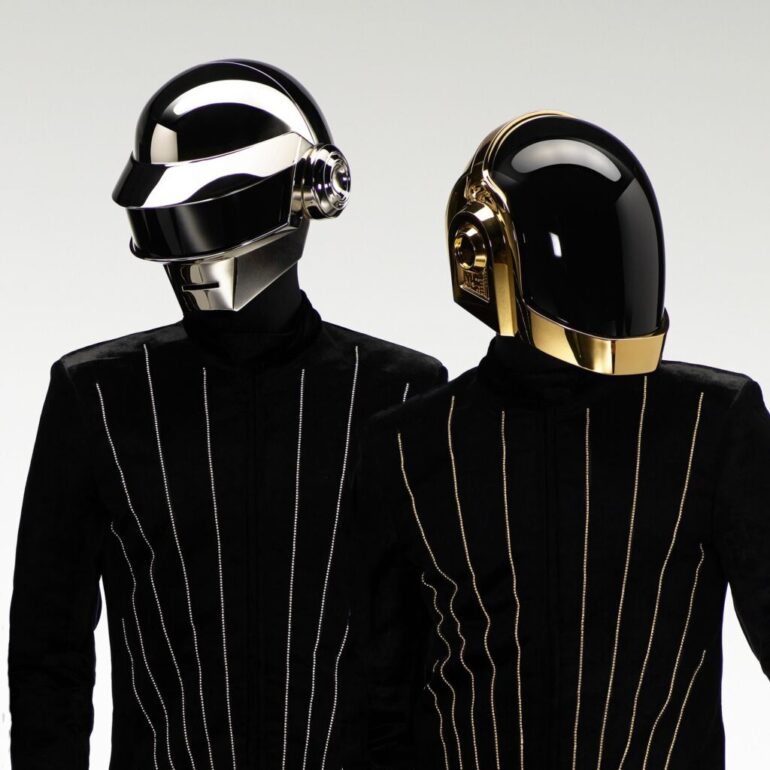
The recognition of French electronic music focuses on the legacy of the “French touch,” a loosely defined movement shaped by artists such as Daft Punk, Bob Sinclar, AIR, Laurent Garnier, Étienne de Crécy, Cassius, Modjo, Justice, and Stardust. President Emmanuel Macron publicly supported the nomination earlier this year, asserting that France played a foundational role in the development of electronic music.
Reacting to the news, Tommy Vaudecrane—founder of the Paris Techno Parade and president of Technopol, an organisation dedicated to advocating for electronic music—reflected on the genre’s turbulent history. Speaking to AFP, he contrasted past repression with today’s validation, describing the recognition as an emotional milestone for a culture once marginalised.
The UNESCO listing follows broader institutional shifts within France. In 2024, Minister of Culture Rachida Dati confirmed that nightclubs would be formally acknowledged as cultural stakeholders under new legislation, a move that came after sustained advocacy from groups such as Culture Nuit, which represents iconic venues including Rex Club and Le Badaboum.
